
吴裕雄 python 神经网络——TensorFlow 数据集基本使用方法
import tempfile

import tensorflow as tf

input_data = [1, 2, 3, 5, 8]

dataset = tf.data.Dataset.from_tensor_slices(input_data)

# 定义迭代器。

iterator = dataset.make_one_shot_iterator()

# get_next() 返回代表一个输入数据的张量。

x = iterator.get_next()

y = x * x

with tf.Session() as sess:

    for i in range(len(input_data)):

        print(sess.run(y))

# 创建文本文件作为本例的输入。

with open("E:\\temp\\test1.txt", "w") as file:

    file.write("File1, line1.\n")

    file.write("File1, line2.\n")

with open("E:\\temp\\test2.txt", "w") as file:

    file.write("File2, line1.\n")

    file.write("File2, line2.\n")

# 从文本文件创建数据集。这里可以提供多个文件。

input_files = ["E:\\temp\\test1.txt", "E:\\temp\\test2.txt"]

dataset = tf.data.TextLineDataset(input_files)

# 定义迭代器。

iterator = dataset.make_one_shot_iterator()

# 这里get_next()返回一个字符串类型的张量,代表文件中的一行。

x = iterator.get_next()

with tf.Session() as sess:

    for i in range(4):

        print(sess.run(x))

# 解析一个TFRecord的方法。

def parser(record):

    features = tf.parse_single_example(

        record,

        features={

            'image_raw':tf.FixedLenFeature([],tf.string),

            'pixels':tf.FixedLenFeature([],tf.int64),

            'label':tf.FixedLenFeature([],tf.int64)

        })

    decoded_images = tf.decode_raw(features['image_raw'],tf.uint8)

    retyped_images = tf.cast(decoded_images, tf.float32)

    images = tf.reshape(retyped_images, [784])

    labels = tf.cast(features['label'],tf.int32)

    #pixels = tf.cast(features['pixels'],tf.int32)

    return images, labels

# 从TFRecord文件创建数据集。这里可以提供多个文件。

input_files = ["E:\\MNIST_data\\output.tfrecords"]

dataset = tf.data.TFRecordDataset(input_files)

# map()函数表示对数据集中的每一条数据进行调用解析方法。

dataset = dataset.map(parser)

# 定义遍历数据集的迭代器。

iterator = dataset.make_one_shot_iterator()

# 读取数据,可用于进一步计算

image, label = iterator.get_next()

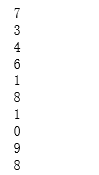
with tf.Session() as sess:

    for i in range(10):

        x, y = sess.run([image, label])

        print(y)
# 从TFRecord文件创建数据集,具体文件路径是一个placeholder,稍后再提供具体路径。

input_files = tf.placeholder(tf.string)

dataset = tf.data.TFRecordDataset(input_files)

dataset = dataset.map(parser)

# 定义遍历dataset的initializable_iterator。

iterator = dataset.make_initializable_iterator()

image, label = iterator.get_next()

with tf.Session() as sess:

    # 首先初始化iterator,并给出input_files的值。

    sess.run(iterator.initializer,feed_dict={input_files: ["E:\\MNIST_data\\output.tfrecords"]})

    # 遍历所有数据一个epoch。当遍历结束时,程序会抛出OutOfRangeError。

    while True:

        try:

            x, y = sess.run([image, label])

        except tf.errors.OutOfRangeError:

            break
吴裕雄 python 神经网络——TensorFlow 数据集基本使用方法的更多相关文章
- 吴裕雄 python 神经网络——TensorFlow 数据集高层操作
import tempfile import tensorflow as tf train_files = tf.train.match_filenames_once("E:\\output ...
- 吴裕雄 python 神经网络——TensorFlow pb文件保存方法
import tensorflow as tf from tensorflow.python.framework import graph_util v1 = tf.Variable(tf.const ...
- 吴裕雄 python 神经网络——TensorFlow ckpt文件保存方法
import tensorflow as tf v1 = tf.Variable(tf.random_normal([1], stddev=1, seed=1)) v2 = tf.Variable(t ...
- 吴裕雄 python 神经网络——TensorFlow 循环神经网络处理MNIST手写数字数据集
#加载TF并导入数据集 import tensorflow as tf from tensorflow.contrib import rnn from tensorflow.examples.tuto ...
- 吴裕雄 python 神经网络TensorFlow实现LeNet模型处理手写数字识别MNIST数据集
import tensorflow as tf tf.reset_default_graph() # 配置神经网络的参数 INPUT_NODE = 784 OUTPUT_NODE = 10 IMAGE ...
- 吴裕雄 python 神经网络——TensorFlow 使用卷积神经网络训练和预测MNIST手写数据集
import tensorflow as tf import numpy as np from tensorflow.examples.tutorials.mnist import input_dat ...
- 吴裕雄 PYTHON 神经网络——TENSORFLOW 无监督学习处理MNIST手写数字数据集
# 导入模块 import numpy as np import tensorflow as tf import matplotlib.pyplot as plt # 加载数据 from tensor ...
- 吴裕雄 python 神经网络——TensorFlow实现回归模型训练预测MNIST手写数据集
import tensorflow as tf from tensorflow.examples.tutorials.mnist import input_data mnist = input_dat ...
- 吴裕雄 python 神经网络——TensorFlow实现AlexNet模型处理手写数字识别MNIST数据集
import tensorflow as tf # 输入数据 from tensorflow.examples.tutorials.mnist import input_data mnist = in ...
随机推荐
- 题解【CJOJ1371】[IOI2002]任务安排
P1371 - [IOI2002]任务安排 Description N个任务排成一个序列在一台机器上等待完成(顺序不得改变),这N个任务被分成若干批,每批包含相邻的若干任务.从时刻0开始,这些任务被分 ...
- vue基础api
vue比jq好处 1jq 频繁操作dom 增加了性能消耗 vue 模拟dom 从内存中拿 2jq 数据没有统一管理 vue 统一管理数据 3vue 组件开发可以提取出公共的html或js mv*好 ...
- select poll和 epoll
select .poll.epoll 都是多路io复用的机制,i/o多路复用就通过一种机制,可以监视多个描述符,一旦某个描述符就绪(一般是读就绪或者写就绪),能够通知乡音的程序进行相应的读写操作.但s ...
- hadoop学习笔记(九):mapReduce1.x和2.x
一.MapReduce1.0的数据分割到数据计算的过程 MapReduce是我们再进行离线大数据处理的时候经常要使用的计算模型,MapReduce的计算过程被封装的很好,我们只用使用Map和Reduc ...
- nodejs npm安装教程
一.使用之前,我们先来掌握3个东西是用来干什么的. npm: Nodejs下的包管理器. webpack: 它主要的用途是通过CommonJS的语法把所有浏览器端需要发布的静态资源做相应的准备,比如资 ...
- 解决com.netflix.zuul.FilterProcessor : null异常
ZuulFilter过滤器的filterType方法返回一个字符串代表过滤器的类型,如果return null就会出现以上错误. 在zuul中有以下四种不同生命周期的过滤器类型 pre:路由之前 ro ...
- pyppeteer硬钢掉淘宝登入的滑块验证
完整代码我也不好公布,我可以给你们思路,以及部分代码动动脑子看看文档应该也能搞定 一.初始化Chromium浏览器相关属性 browser = await pyppeteer.launch({'hea ...
- Linux tasklet 和workqueue学习
中断服务程序一般都是在中断请求关闭的条件下执行的,以避免嵌套而使中断控制复杂化.但是,中断是一个随机事件,它随时会到来,如果关中断的时间太长,CPU就不能及时响应其他的中断请求,从而造成中断的丢失.因 ...
- 序列化--IOSerialize
序列化与反序列化 序列化:将对象转换为二进制 反序列化:将二进制转换为对象 作用:传输数据:状态保持(例如应用程序记忆上次关闭时的状态) 注:被序列化对象的类的所有成员也必须被标记为可序列化特性.该类 ...
- ARM架构安装Anaconda3出现错误:cannot execute binary file: Exec format error
ARM架构安装Anaconda3出现错误:cannot execute binary file: Exec format error 原因是:安装包格式不对. 在Anaconda官网上只有x86(32 ...