
如何使用PowerDesigner设计数据库关系模式

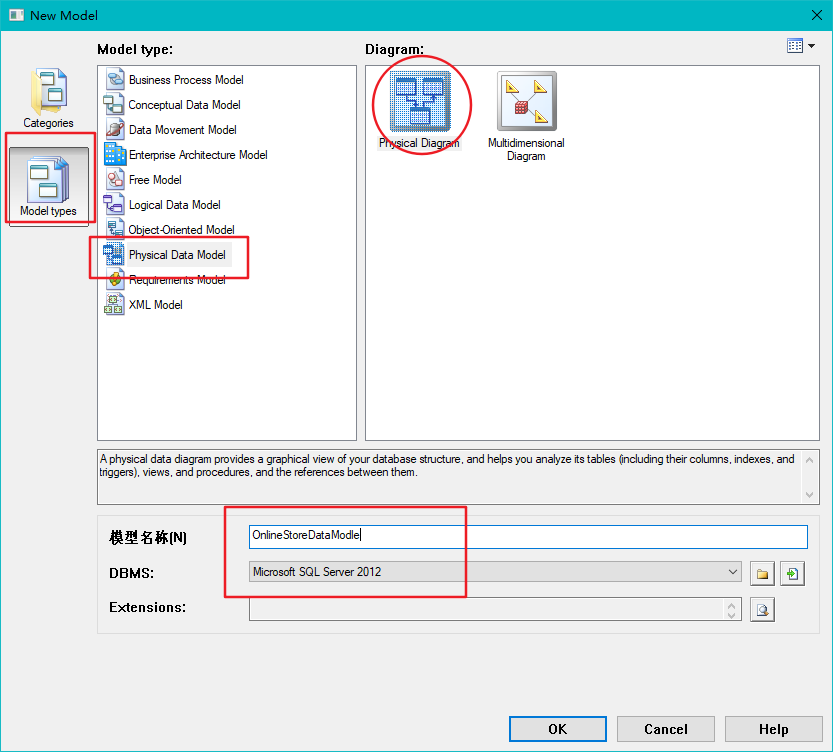


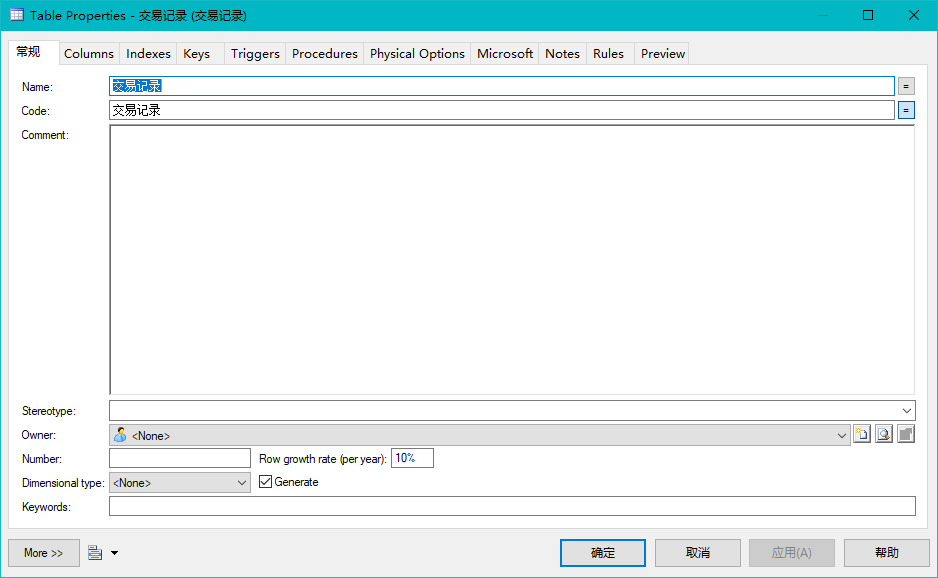
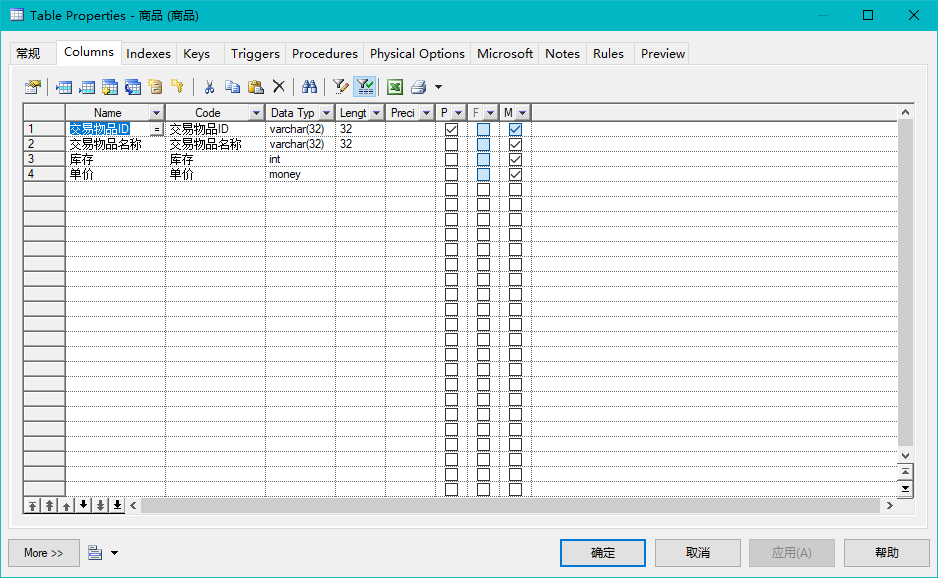

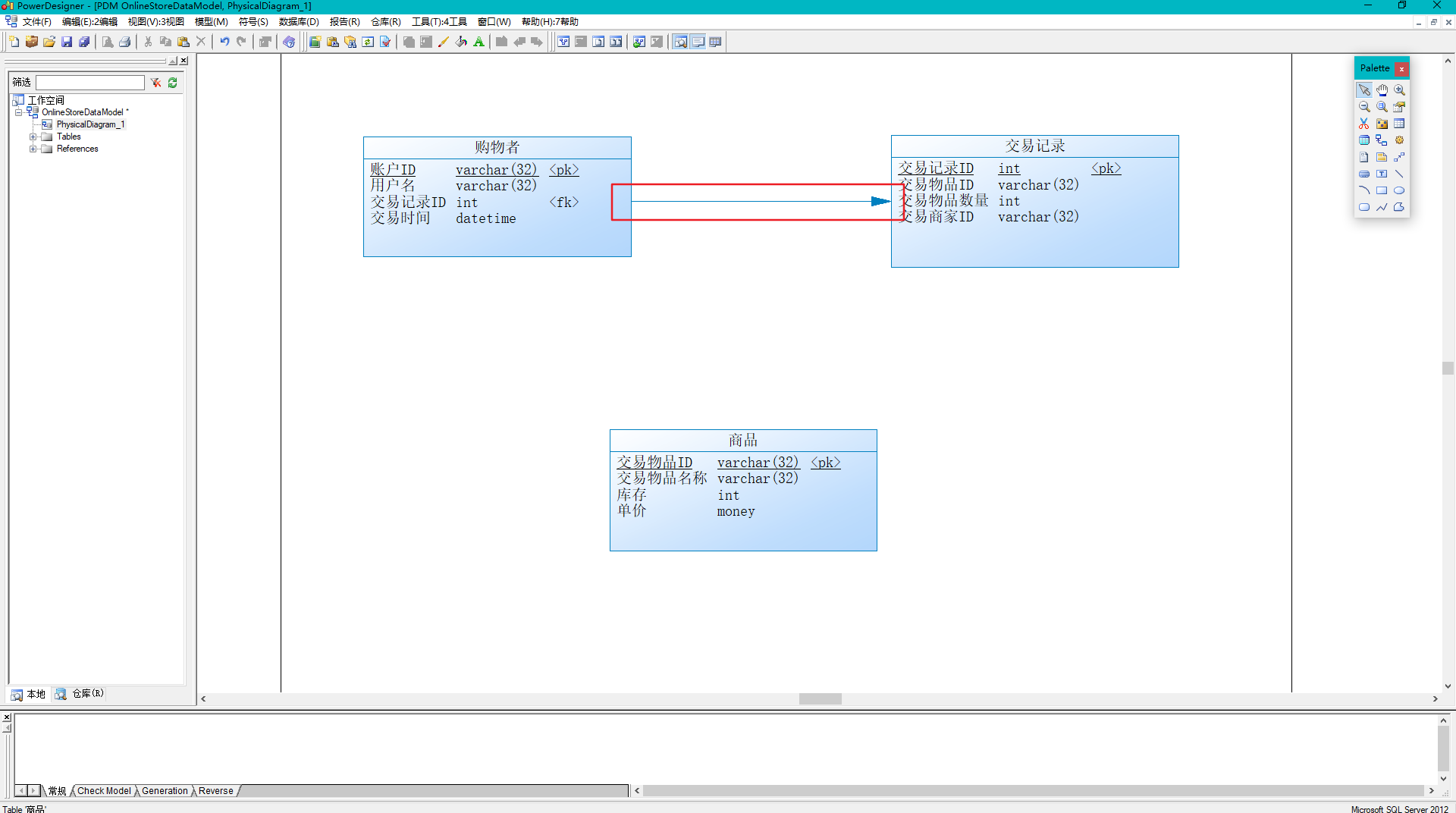


 /*==============================================================*/
 /* DBMS name:      Microsoft SQL Server 2012                    */
 /* Created on:     2018/11/25 13:42:24                          */
 /*==============================================================*/

 use "zuoye"

    from sys.sysreferences r join sys.sysobjects o on (o.id = r.constid and o.type = 'F')
    where r.fkeyid = object_id('借书者') and o.name = 'FK_借书者_FK_2_借书记录')
 alter table 借书者
    drop constraint FK_借书者_FK_2_借书记录
 go

    from sys.sysreferences r join sys.sysobjects o on (o.id = r.constid and o.type = 'F')
    where r.fkeyid = object_id('图书') and o.name = 'FK_图书_FK_1_借书记录')
 alter table 图书
    drop constraint FK_图书_FK_1_借书记录
 go

             from  sysobjects
            where  id = object_id('借书者')
             and   type = 'U')
    drop table 借书者
 go

             from  sysobjects
            where  id = object_id('借书记录')
             and   type = 'U')
    drop table 借书记录
 go

             from  sysobjects
            where  id = object_id('图书')
             and   type = 'U')
    drop table 图书
 go

 /*==============================================================*/
 /* Table: 借书者                                                   */
 /*==============================================================*/
 create table 借书者 (
    借书者编号                int                  not null,
    图书编号                 int                  null,
    借书者姓名                )          not null,
    借书数量                 int                  null,
    constraint PK_借书者 primary key (借书者编号)
 )
 go

 /*==============================================================*/
 /* Table: 借书记录                                                  */
 /*==============================================================*/
 create table 借书记录 (
    图书编号                 int                  not null,
    借书者编号                int                  null,
    期望归还时间               datetime             null,
    借书时间                 datetime             null,
    还书时间                 datetime             null,
    constraint PK_借书记录 primary key (图书编号)
 )
 go

 /*==============================================================*/
 /* Table: 图书                                                    */
 /*==============================================================*/
 create table 图书 (
    图书编号                 int                  not null,
    书名                   )          null,
    作者                   )          null,
    出版社                  )          null,
    出版日期                 datetime             null,
    库存                   int                  null,
    价格                   money                null,
    constraint PK_图书 primary key (图书编号)
 )
 go

 alter table 借书者
    add constraint FK_借书者_FK_2_借书记录 foreign key (图书编号)
       references 借书记录 (图书编号)
 go

 alter table 图书
    add constraint FK_图书_FK_1_借书记录 foreign key (图书编号)
       references 借书记录 (图书编号)
 go
 /*==============================================================*/
 /* DBMS name:      Microsoft SQL Server 2012                    */
 /* Created on:     2018/11/26 7:17:16                           */
 /*==============================================================*/

    from sys.sysreferences r join sys.sysobjects o on (o.id = r.constid and o.type = 'F')
    where r.fkeyid = object_id('交易记录') and o.name = 'FK_交易记录_REFERENCE_商品')
 alter table 交易记录
    drop constraint FK_交易记录_REFERENCE_商品
 go

    from sys.sysreferences r join sys.sysobjects o on (o.id = r.constid and o.type = 'F')
    where r.fkeyid = object_id('购物者') and o.name = 'FK_购物者_REFERENCE_交易记录')
 alter table 购物者
    drop constraint FK_购物者_REFERENCE_交易记录
 go

             from  sysobjects
            where  id = object_id('交易记录')
             and   type = 'U')
    drop table 交易记录
 go

             from  sysobjects
            where  id = object_id('商品')
             and   type = 'U')
    drop table 商品
 go

             from  sysobjects
            where  id = object_id('购物者')
             and   type = 'U')
    drop table 购物者
 go

 /*==============================================================*/
 /* Table: 交易记录                                                  */
 /*==============================================================*/
 create table 交易记录 (
    交易记录ID               int                  not null,
    交易物品ID               )          not null,
    交易物品数量               int                  not null,
    交易商家ID               )          not null,
    constraint PK_交易记录 primary key (交易记录ID)
 )
 go

 /*==============================================================*/
 /* Table: 商品                                                    */
 /*==============================================================*/
 create table 商品 (
    交易物品ID               )          not null,
    交易物品名称               )          not null,
    库存                   int                  not null,
    单价                   money                not null,
    constraint PK_商品 primary key (交易物品ID)
 )
 go

 /*==============================================================*/
 /* Table: 购物者                                                   */
 /*==============================================================*/
 create table 购物者 (
    账户ID                 )          not null,
    用户名                  )          not null,
    交易记录ID               int                  not null,
    交易时间                 datetime             not null,
    constraint PK_购物者 primary key (账户ID)
 )
 go

 alter table 交易记录
    add constraint FK_交易记录_REFERENCE_商品 foreign key (交易物品ID)
       references 商品 (交易物品ID)
 go

 alter table 购物者
    add constraint FK_购物者_REFERENCE_交易记录 foreign key (交易记录ID)
       references 交易记录 (交易记录ID)
 go
如何使用PowerDesigner设计数据库关系模式的更多相关文章
- 采用PowerDesigner 设计数据库
PowerDesigner设计数据库的教程网上都有,最好的是我一位同学写的,地址: 点击这里 我的大致流程如下: 首先要以管理员的身份打开PowerDesigner,如果没这么做,将导致后面无法创建S ...
- PowerDesigner 设计数据库中常用脚本
PowerDesigner 设计数据库中常用脚本 数据库设计 物理模型设置 Name转Comment脚本 '********************************************** ...
- 新手学习数据库(一)用Powerdesigner设计数据库
说明: 一.学会用开发语言进行数据库编程,其关键是在于学会sql语言,开发语言只不过给程序员提供了一个操作数据库的接口罢了. 二. 本人也是初学者,采用的数据库设计软件是powerdesigner.利 ...
- ER 和 数据库关系模式
http://lianghuanyue123.blog.163.com/blog/static/130423244201162011850600/ 我们眼下所接触的数据库基本上是关系数据库,关系数据库 ...
- 使用POWERDESIGNER设计数据库的20条技巧(转)
1.PowerDesigner使用MySQL的auto_increment ◇问题描述: PD怎样能使主键id使用MySQL的auto_increment呢? ◇解决方法: 打开table prope ...
- 利用PowerDesigner设计数据库
PowerDesigner非常强大, 可以利用它完成数据库的设计. 1.下载地址:http://pan.baidu.com/s/1DsLrg 2.表设计: 建立概念数据模型(Conceptual Da ...
- 使用PowerDesigner设计数据库
1.快捷键CTRL+N 创建 New Model 选择如下图,并设置 Model name 单击OK 2.使用工具添加实体 双击Entity_1,填上如下图信息 切换选项卡,添加属性信息 其中 M ...
- SQL2008R2 不支持用该后端版本设计数据库关系图或表
向下不兼容. 要么安装SQL2012,要么把SQL2012数据库通过脚本转成2008
- PowerDesigner设计Name和Comment 替换
这两天在用powerdesigner设计数据库.一直以为name就是注释名字来着.后来生成sql语句 怎么就没有注释信息那. 后来看了半天才知道自己范2了. 通过各种信息查找.大多都是改databas ...
随机推荐
- C++11中智能指针的原理、使用、实现
目录 理解智能指针的原理 智能指针的使用 智能指针的设计和实现 1.智能指针的作用 C++程序设计中使用堆内存是非常频繁的操作,堆内存的申请和释放都由程序员自己管理.程序员自己管理堆内存可以提高了程序 ...
- WordCloud词云包的安装
1,下载 https://www.lfd.uci.edu/~gohlke/pythonlibs/#wordcloud 2,安装 (window环境安装) 找的下载文件的路径 安装 pip instal ...
- 【5分钟一个知识点】JS一文搞懂new操作符
关于new操作符,看了两本书<Javascript高级程序设计3>和<你不知道的JS上>,以及其他文档后,终于豁然开朗. 现总结如下,希望同样懵逼的你,彻底理解它. 如果有不同 ...
- 在vscode成功配置Python环境
注意:如果您希望在Visual Studio Code中开始使用Python,请参阅教程.本文仅关注设置Python解释器/环境的各个方面. Python中的“环境”是Python程序运行的上下文.环 ...
- 如何将Request对象中的参数列表打印出来
Map<String, String[]> map = request.getParameterMap(); Set<Map.Entry<String, String[]> ...
- ThinkPHP中where()使用方法详解
where方法的用法是ThinkPHP查询语言的精髓,也是ThinkPHP ORM的重要组成部分和亮点所在,可以完成包括普通查询.表达式查询.快捷查询.区间查询.组合查询在内的查询操作.where方法 ...
- cf796d 树,bfs好题!
绝对是好题,把所有警察局放入队列然后开始广搜,如果碰到了vis过的顶点,但是那条边没有访问过,那么这条边就可以删掉 另外广搜的vis标记是在入队时就打的,, #include<bits/stdc ...
- hdu4605
两颗线段树,分别维护向左走向右走的情况 线段树的结点维护区间有多少点被路径经过了 离线读入所有询问,dfs遍历树的每一个结点,访问到v时解决对v的所有查询,在dfs过程中只需要维护根节点到v的链,线段 ...
- python 全栈开发,Day102(支付宝支付)
昨日内容回顾 1. django请求生命周期? - 当用户在浏览器中输入url时,浏览器会生成请求头和请求体发给服务端 请求头和请求体中会包含浏览器的动作(action),这个动作通常为get或者po ...
- python 全栈开发,Day64(视图,触发器,函数,存储过程,事务)
昨日内容回顾 pymysql:属于python的一个模块 pip3 install pymysql conn = pymysql.connect(...,charset = 'uft8') 创建游标 ...