
Shiro官方快速入门10min例子源码解析框架1-初始化
Shiro,一个易用的Java安全框架,主要集合身份认证、授权、加密和session管理的功能。
这系文章主要简介Shiro架构,并通过官方的quickstart例程分析最简实现下Shiro的工作流程及其源码
(1-初始化)主要由从零到获取一个subject
本文使用的是shiro 1.3.2版本,配合源码食用更佳~
它的架构如下
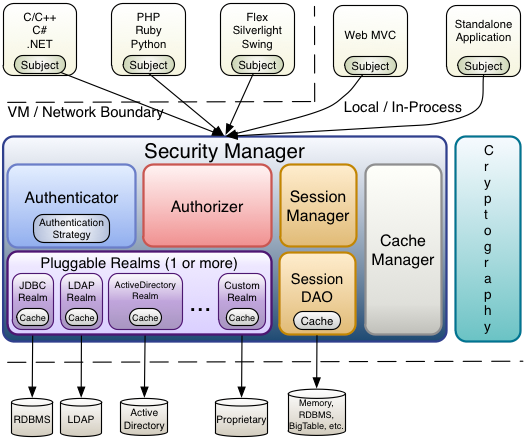
Subject:与框架交互的实体(Entity)的安全视图(security-specific ‘view’),这个实体可以是用户、第三方应用、定时任务(cron job)等
SecurityManager:是Shiro的框架核心,协调设置内部组件对外提供统一的对象视图,一旦Shiro对外提供Subject后外部基本上只需要对Subject进行交互,而不需要管理内部机制。在简化的概念下调用者只需关心Subject、SecurityManager、Realm三者就可以轻松地使用shiro ,这体现了其极好的封装性。

Realms:上面谈到的Realm是Shiro连接应用安全信息数据(即用户的密码、权限等信息)的组件,类似于DAO层,Realms自身提供JDBC、LDAP、文本等Realm实现,也可以根据需要继承对应接口实现自定义数据源
Authenticator:用户身份验证组件,用户尝试登陆时,会通过Authenticator进行验证,它调用Realms并通过一定策略(Authentication Strategy)来确认用户身份的真实性。
Authorizer:在确认用户登录后,权限验证的组件。同样它会调用Realm获得安全数据来判断用户对资源的权限。
SessionManager:shiro自身维护了一套session管理组件,它并不单纯依赖WEB/Servlet/EJB容器等环境,即它可以独立使用,在WEB环境下或者普通应用环境下,可以理解为将session概念复用到了一般应用环境。另外,组件还可拔插地支持SessionDAO实现session的持久化及应用的分布式,外接mysql或redis等数据库
CacheManager:缓存方面提供了CacheManager、Cache、CacheManagerAware三个接口和一个基于内存的实现类MemoryConstrainedCacheManager,可以自己实现类来实现其他诸如Hazelcast, Ehcache, OSCache, Terracotta的支持,官方可能有前两个缓存的支持计划(官方文档显示TBD~~)。需要注意的是,在使用缓存情况下,改变User的安全权限后务必使用clearCachedAuthorizationInfo方法删除现用缓存以避免不同步的情况。
Cryptography:加密支持组件。shiro提供了便携的加密算法类实现一般的哈希功能,可用在用身份确认时来源密码hash与realms中数据校验
以上是Shiro的架构概况,下面结合一个官方demo来阐述Shiro运行流程
1-首先是获得Subject的过程
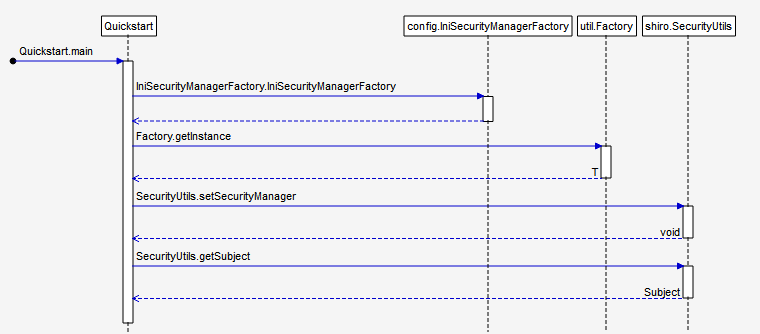
1.1首先,获得一个产生SecurityManager工厂
Factory<SecurityManager> factory = new IniSecurityManagerFactory("classpath:shiro.ini");
IniSecurityManagerFactory的参数是ini文件的路径,它是一个支持ini文件作为realms数据源的SecurityManager工厂类
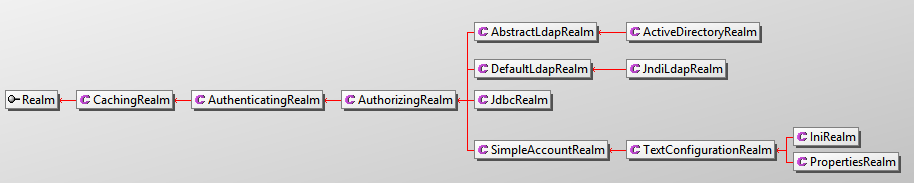
SecurityManager的继承关系如下,AbstractFactory则实现了Factory接口

在构建工厂实例时,使用了构造器IniSecurityManagerFactory(String iniResourcePath),其中调用了以下构造器
public IniSecurityManagerFactory(Ini config) {

        this();

        setIni(config);

    }
其具体方法在IniFactorySupport中实现
public Ini getIni() {

        return ini;

    }
1.2获得 SecurityManager实例
SecurityManager securityManager = factory.getInstance();
其工厂的接口方法在AbstractFactory中重写,由下可见securityManager在程序中是以单例存在
public T getInstance() {

        T instance;

        if (isSingleton()) {

            if (this.singletonInstance == null) {

                this.singletonInstance = createInstance();

            }

            instance = this.singletonInstance;

        } else {

            instance = createInstance();

        }

        if (instance == null) {

            String msg = "Factory 'createInstance' implementation returned a null object.";

            throw new IllegalStateException(msg);

        }

        return instance;

    }
其中createInstance是抽象方法
protected abstract T createInstance();
其在IniFactorySupport类中实现
public T createInstance() {

        Ini ini = resolveIni();

        T instance;

        if (CollectionUtils.isEmpty(ini)) {

            log.debug("No populated Ini available.  Creating a default instance.");

            instance = createDefaultInstance();

            if (instance == null) {

                String msg = getClass().getName() + " implementation did not return a default instance in " +

                        "the event of a null/empty Ini configuration.  This is required to support the " +

                        "Factory interface.  Please check your implementation.";

                throw new IllegalStateException(msg);

            }

        } else {

            log.debug("Creating instance from Ini [" + ini + "]");

            instance = createInstance(ini);

            if (instance == null) {

                String msg = getClass().getName() + " implementation did not return a constructed instance from " +

                        "the createInstance(Ini) method implementation.";

                throw new IllegalStateException(msg);

            }

        }

        return instance;

    }
其中createInstance为抽象方法在IniSecurityManagerFactory中实现
protected SecurityManager createInstance(Ini ini) {

        if (CollectionUtils.isEmpty(ini)) {

            throw new NullPointerException("Ini argument cannot be null or empty.");

        }

        SecurityManager securityManager = createSecurityManager(ini);

        if (securityManager == null) {

            String msg = SecurityManager.class + " instance cannot be null.";

            throw new ConfigurationException(msg);

        }

        return securityManager;

    }
里面createSecurityManager(ini)方法又调用了一下方法传入的Ini.Section mainSection是在createSecurityManager(ini)方法中获得的ini文件的主节点,这里看到了下一个关键组件 Realms
private SecurityManager createSecurityManager(Ini ini, Ini.Section mainSection) {

        Map<String, ?> defaults = createDefaults(ini, mainSection);

        Map<String, ?> objects = buildInstances(mainSection, defaults);

        SecurityManager securityManager = getSecurityManagerBean();

        boolean autoApplyRealms = isAutoApplyRealms(securityManager);

        if (autoApplyRealms) {

            //realms and realm factory might have been created - pull them out first so we can

            //initialize the securityManager:

            Collection<Realm> realms = getRealms(objects);

            //set them on the SecurityManager

            if (!CollectionUtils.isEmpty(realms)) {

                applyRealmsToSecurityManager(realms, securityManager);

            }

        }

        return securityManager;

    }
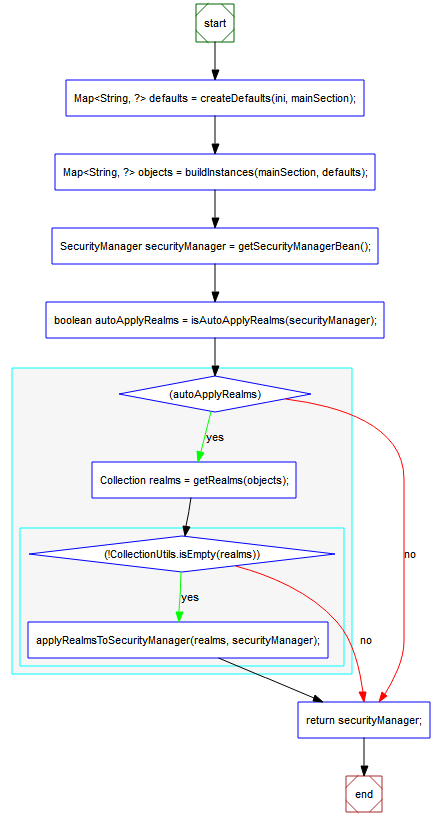
这里详细说明一下createSecurityManager内的过程
1.2.1:根据ini返回含DefaultSecurityManager和IniRealm的map
1.2.2:将节点信息转化为bean 调用LifecycleUtils初始化cache等
1.2.3:getSecurityManagerBean调用builder.getBean获取objects中key为securityManager的Bean
1.2.4:判断是否AutoApply的SecurityManager 实体(未被其他user设置过)
1.2.5:没有被设置过则进入流程,如果被设置过则直接return
1.2.6:从object中获取realm实例,这里可以看出shiro支持多个realm。从objects中获取realm
1.2.7:判断realms是否为空,如果是空则直接return securityManager ,如果不是的话则继续流程
1.2.8:将realms推至securityManager 。这里赋予除了还将CacheManager,EventBus设置到realm
1.3获取Subject
SecurityUtils.setSecurityManager(securityManager);

Subject currentUser = SecurityUtils.getSubject();
调用SecurityUtils.setSecurityManager 设置 securityManager,调用getSubjext
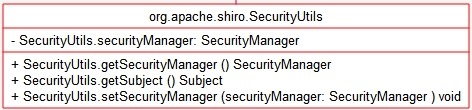
首先确认线程中是否有绑定subject,有则直接return对应subject ,无则进入获取流程,并绑定到线程再return
public static Subject getSubject() {

        Subject subject = ThreadContext.getSubject();

        if (subject == null) {

            subject = (new Subject.Builder()).buildSubject();

            ThreadContext.bind(subject);

        }

        return subject;

    }
用内部类Subject.Builder()构建,调用设置SecurityManager
this(SecurityUtils.getSecurityManager());
调用DefaultSecurityManager.createSubject 初始化确认Subject中的信息,然后在session中保存,如果subject开启了持久化则会实现持久化(调用subjectDAO.save很有迷惑性~
public Subject createSubject(SubjectContext subjectContext) {

        //create a copy so we don't modify the argument's backing map:

        SubjectContext context = copy(subjectContext);

        //ensure that the context has a SecurityManager instance, and if not, add one:

        context = ensureSecurityManager(context);

        //Resolve an associated Session (usually based on a referenced session ID), and place it in the context before

        //sending to the SubjectFactory.  The SubjectFactory should not need to know how to acquire sessions as the

        //process is often environment specific - better to shield the SF from these details:

        context = resolveSession(context);

        //Similarly, the SubjectFactory should not require any concept of RememberMe - translate that here first

        //if possible before handing off to the SubjectFactory:

        context = resolvePrincipals(context);

        Subject subject = doCreateSubject(context);

        //save this subject for future reference if necessary:

        //(this is needed here in case rememberMe principals were resolved and they need to be stored in the

        //session, so we don't constantly rehydrate the rememberMe PrincipalCollection on every operation).

        //Added in 1.2:

        save(subject);

        return subject;

    }
然后是返回subject
至此初始化工作完成,并获得了对外的实例subject后续只要操作Suject API即可
参考:
http://shiro.apache.org/10-minute-tutorial.html
http://shiro.apache.org/architecture.html
http://www.apache.org/dyn/closer.cgi/shiro/1.3.2/shiro-root-1.3.2-source-release.zip
转载请注明作者及来源:https://www.cnblogs.com/codflow/
Shiro官方快速入门10min例子源码解析框架1-初始化的更多相关文章
- Shiro官方快速入门10min例子源码解析框架2-Session
Shiro自身维护了一套session管理组件,它可以独立使用,并不单纯依赖WEB/Servlet/EJB容器等环境,使得它的session可以任何应用中使用. 2-Session)主要介绍在quic ...
- Shiro官方快速入门10min例子源码解析框架3-Authentication(身份认证)
在作完预备的初始化和session测试后,到了作为一个权鉴别框架的核心功能部分,确认你是谁--身份认证(Authentication). 通过提交给shiro身份信息来验证是否与储存的安全信息数据是否 ...
- Orleans例子源码
这是Orleans系列文章中的一篇.首篇文章在此 我共享以下我现在写教程的简单的Orleans例子源码. 这个代码已经是我为了写word改动过了的.不过大体内容是通用的. 我写博客总体想法是:去除所有 ...
- 【Activiti工作流引擎】官方快速入门demo
Activiti官方快速入门demo 地址: https://www.activiti.org/quick-start 0. 版本 activiti 5.22.0 JDK 1.8 1. 介绍 这个快速 ...
- 分布式 PostgreSQL 集群(Citus),官方快速入门教程
多租户应用程序 在本教程中,我们将使用示例广告分析数据集来演示如何使用 Citus 来支持您的多租户应用程序. 注意 本教程假设您已经安装并运行了 Citus. 如果您没有运行 Citus,则可以使用 ...
- 使用C#类向数据库添加数据的例子源码
在上一篇中,增加了sql server数据库操作类SqlOperator,用于操作sql server数据库.还有一个SqlStringHelper类,用于处理sql语句的单引号.那么这两个类怎么使用 ...
- jackson官方快速入门文档
官方地址: http://jackson.codehaus.org/ http://wiki.fasterxml.com/JacksonInFiveMinutes http://wiki.faster ...
- TodoMVC中的Backbone+MarionetteJS+RequireJS例子源码分析之一
Marionette牵线木偶,Backbone是脊骨的意思,Marionette是基于Backbone做扩展库,可以理解为把脊骨骨架绑线扯着变成牵线木偶动起来哈哈,使backbone更易使用呵呵! 构 ...
- Android例子源码非第三方实现根据字母排序的城市列表
values 下dimens.xml <resources> <!-- Default screen margins, per the Android Design guidelin ...
随机推荐
- “全栈2019”Java多线程第二章:创建多线程之继承Thread类
难度 初级 学习时间 10分钟 适合人群 零基础 开发语言 Java 开发环境 JDK v11 IntelliJ IDEA v2018.3 文章原文链接 "全栈2019"Java多 ...
- JAVA基本数据类型所占字节数是多少?
byte 1字节 short 2字节 int 4字节 long 8字节 ...
- isset()、empty()、is_NULL()的区别
1,isset():变量不存在,或变量为null,返回false,否则返回true: 2,empty():变量不存在,或变量为null,返回true,另外"".0."0& ...
- MySQL 跟中文相关
convert ()
- [CISCO] VLAN、TRUNK 和 VTP 简介
VLAN.TRUNK 和 VTP 简介 VLAN 如图,虚拟局域网 VLAN ( Virtual LAN ) 是交换机端口的逻辑组合. VLAN 工作在 OSI 的第 2 层(数据链路层),一个 VL ...
- python要点记录
1.字典:当存储的key数目在几万到几十万之间效率最高.
- 说说MySQL权限
前言 今天继续MySQL系列文章,讲讲MySQL权限相关的内容.我们都知道,在写系统的时候,都会有权限相关的服务,以达到权限控制的目的.以最简单的权限菜单为例: 管理员拥有最大权限,可以查看系统下所有 ...
- easyui实现多选框,并且获取值
在easyui官方文档里面是没有combobox下拉框,可以进行多选的,但是其实是可以多选的, <td align="left">大区: <input typ ...
- BZOJ_3224 Tyvj 1728 普通平衡树 【离散化+权值线段树】
一 题面 Tyvj 1728 普通平衡树 二 分析 比较明显是可以用平衡二叉搜索树(splay)做的. 用权值线段树做,前提就是要先离散化,因为权值线段树维护的值域信息. 板子. 三 AC代码 #in ...
- HBTS(HBOI) 2019 真实退役记
Day 0 早上迷迷糊糊醒了不知道多久,反正差不多的时间被叫醒了,然后走去了火车站. 这次终于取到了蓝色的车票,以前去武汉的车票都取的红色不知道为什么-- 在火车上看了<悲伤逆流成河>,稍 ...