
springboot启动代码(自用)
1.springboot配置解释
@AutoConfigurationPackage //自动配置包

//@Import(AutoConfigurationPackages.Registrar.class)

@Import(AutoConfigurationImportSelector.class)//导入哪些组件的选择器
@SpringAutoConfiguration中的一些东西
public String[] selectImports(AnnotationMetadata annotationMetadata) {

    if (!isEnabled(annotationMetadata)) {

        return NO_IMPORTS;

    }

    AutoConfigurationMetadata autoConfigurationMetadata = AutoConfigurationMetadataLoader

        .loadMetadata(this.beanClassLoader);

    AutoConfigurationEntry autoConfigurationEntry =getAutoConfigurationEntry(autoConfigurationMetadata, annotationMetadata);

    //这个方法在下面定义了 相对于1x的版本进行了代码的抽取和再封装

    return StringUtils.toStringArray(autoConfigurationEntry.getConfigurations());

}

/**

	 * Return the {@link AutoConfigurationEntry} based on the {@link AnnotationMetadata}

	 * of the importing {@link Configuration @Configuration} class.

	 * @param autoConfigurationMetadata the auto-configuration metadata

	 * @param annotationMetadata the annotation metadata of the configuration class

	 * @return the auto-configurations that should be imported

	 */

protected AutoConfigurationEntry getAutoConfigurationEntry(AutoConfigurationMetadata autoConfigurationMetadata, AnnotationMetadata annotationMetadata) {

    if (!isEnabled(annotationMetadata)) {

        return EMPTY_ENTRY;

    }

    AnnotationAttributes attributes = getAttributes(annotationMetadata);

    List<String> configurations = getCandidateConfigurations(annotationMetadata, attributes);

    //获取候选的配置文件 Metadata=元数据

    configurations = removeDuplicates(configurations);

    Set<String> exclusions = getExclusions(annotationMetadata, attributes);

    checkExcludedClasses(configurations, exclusions);

    configurations.removeAll(exclusions);

    configurations = filter(configurations, autoConfigurationMetadata);

    fireAutoConfigurationImportEvents(configurations, exclusions);

    return new AutoConfigurationEntry(configurations, exclusions);

}

/**

	 * Return the auto-configuration class names that should be considered. By default

	 * this method will load candidates using {@link SpringFactoriesLoader} with

	 * {@link #getSpringFactoriesLoaderFactoryClass()}.

	 * @param metadata the source metadata

	 * @param attributes the {@link #getAttributes(AnnotationMetadata) annotation

	 * attributes}

	 * @return a list of candidate configurations

	 以下是getCandidateConfigurations方法

	 */

protected List<String> getCandidateConfigurations(AnnotationMetadata metadata, AnnotationAttributes attributes) {

    List<String> configurations = SpringFactoriesLoader.loadFactoryNames(getSpringFactoriesLoaderFactoryClass(),getBeanClassLoader());

    Assert.notEmpty(configurations, "No auto configuration classes found in META-INF/spring.factories. If you "

                    + "are using a custom packaging, make sure that file is correct.");

    return configurations;

}

/**

	 * Load the fully qualified class names of factory implementations of the

	 * given type from {@value #FACTORIES_RESOURCE_LOCATION}, using the given

	 * class loader.

	 * @param factoryClass the interface or abstract class representing the factory

	 * @param classLoader the ClassLoader to use for loading resources; can be

	 * {@code null} to use the default

	 * @throws IllegalArgumentException if an error occurs while loading factory names

	 * @see #loadFactories

	 * 从这里获取enableautoConfiguration指定的值

	 */

public static List<String> loadFactoryNames(Class<?> factoryClass, @Nullable ClassLoader classLoader) {

    String factoryClassName = factoryClass.getName();

    return loadSpringFactories(classLoader).getOrDefault(factoryClassName, Collections.emptyList());

}

/**

 * 此方法是loadSpringFactories(classLoader) 的内容 用来找类路径下的文件

**/

private static Map<String, List<String>> loadSpringFactories(@Nullable ClassLoader classLoader) {

    MultiValueMap<String, String> result = cache.get(classLoader);

    if (result != null) {

        return result;

    }

    try {

        Enumeration<URL> urls = (classLoader != null ?

                                 classLoader.getResources(FACTORIES_RESOURCE_LOCATION) :

                                 ClassLoader.getSystemResources(FACTORIES_RESOURCE_LOCATION));

        //获取public static final String FACTORIES_RESOURCE_LOCATION = "META-INF/spring.factories";

        result = new LinkedMultiValueMap<>();

        while (urls.hasMoreElements()) {

            URL url = urls.nextElement();

            UrlResource resource = new UrlResource(url);

            Properties properties = PropertiesLoaderUtils.loadProperties(resource);

            for (Map.Entry<?, ?> entry : properties.entrySet()) {

                String factoryClassName = ((String) entry.getKey()).trim();

                for (String factoryName : StringUtils.commaDelimitedListToStringArray((String) entry.getValue())) {

                    result.add(factoryClassName, factoryName.trim());

                }

            }

        }

        cache.put(classLoader, result);

        return result;

    }

    catch (IOException ex) {

        throw new IllegalArgumentException("Unable to load factories from location [" +

                                           FACTORIES_RESOURCE_LOCATION + "]", ex);

    }

}

springboot在启动的时候找到类路径下的META-INF/spring.factories文件从中获取EnableAutoConfiguration中指定的值,将这些值作为自动配置类导入到容器中,自动配置类生效,帮我们自动进行配置工作。
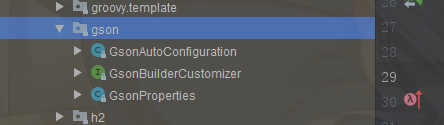
springboot 用的Google的gson
springboot启动代码(自用)的更多相关文章
- SpringBoot启动代码和自动装配源码分析
随着互联网的快速发展,各种组件层出不穷,需要框架集成的组件越来越多.每一种组件与Spring容器整合需要实现相关代码.SpringMVC框架配置由于太过于繁琐和依赖XML文件:为了方便快速集成第三 ...
- Springboot启动源码详解
我们开发任何一个Spring Boot项目,都会用到如下的启动类 @SpringBootApplication public class Application { public static voi ...
- SpringBoot启动流程解析
写在前面: 由于该系统是底层系统,以微服务形式对外暴露dubbo服务,所以本流程中SpringBoot不基于jetty或者tomcat等容器启动方式发布服务,而是以执行程序方式启动来发布(参考下图ke ...
- SpringBoot启动原理及相关流程
一.springboot启动原理及相关流程概览 springboot是基于spring的新型的轻量级框架,最厉害的地方当属自动配置.那我们就可以根据启动流程和相关原理来看看,如何实现传奇的自动配置 二 ...
- springboot启动的时候排除加载某些bean
由于公司把redis相关的配置类,工具类放在了一个类似common的工程里,这样以后肯定不可避免的出现某些项目可能并不需要使用redis,但是还是依赖common里的别的一些类库 所以排除spring ...
- SpringBoot启动tomcat源码解读
一.SpringBoot自动拉起Tomcat 原文链接:http://www.studyshare.cn/blog-front/blog/details/1136 SpringBoot框架是当前比较流 ...
- Springboot 启动详解
1.前言 最近一直在看Springboot和springcloud代码,看了将近20多天,对这两个系统的认知总算是入了门.后续应该会有一个系列的文章,本文就先从Springboot的启动入手. 2.容 ...
- SpringBoot 启动概述
透过现象看本质,SpringApplication 只是将一个典型的Spring应用的启动流程进行了扩展,因此,透彻理解 Spring 容器是打开 Spring Boot 大门的一把钥匙. Sprin ...
- SpringBoot启动加载类ApplicationRunner
SpringBoot启动加载类ApplicationRunner 有时希望项目在启动的时候加载一些系统参数,就要用到ApplicationRunner ApplicationRunner是一个接口,我 ...
随机推荐
- Linux下的wfopen(手工打造)
Of Linux on wfopen (open wide-character version of the file name and mode) to achieve Not directly a ...
- 高效的DDoS攻击探测与分析工具 – FastNetMon
快速使用Romanysoft LAB的技术实现 HTML 开发Mac OS App,并销售到苹果应用商店中. <HTML开发Mac OS App 视频教程> 土豆网同步更新:http: ...
- MeeGo 设备运行全部 Android 应用程序?
啥是 OpenMobile ACL?它是一个应用程序兼容层(Application Compatibility Layer),能让 MeeGo 设备运行全部 Android 应用程序. 据 ACL 宣 ...
- 从零开始人工智能AI(一)-k-nn-矩阵
参考资料: https://baike.baidu.com/item/%E7%9F%A9%E9%98%B5/18069?fr=aladdin http://blog.csdn.net/c4064957 ...
- spark streaming 接收kafka消息之三 -- kafka broker 如何处理 fetch 请求
首先看一下 KafkaServer 这个类的声明: Represents the lifecycle of a single Kafka broker. Handles all functionali ...
- 错误处理之try、catch、finally中的return、throw执行顺序。
今天遇到一个让人无语的代码块 try { bilSheetService.syncUser(bilWebseviceLog, userId, optType); }catch (Exception e ...
- 跟我学SpringCloud | 第一篇:介绍
首先讲一下我为什么要写这一系列的文章,现在网上大量的springcloud相关的文章,使用的springboot和springcloud的版本都相对比较老,很多还是在使用springboot1.x的版 ...
- 高并发IM系统架构优化实践
互联网+时代,消息量级的大幅上升,消息形式的多元化,给即时通讯云服务平台带来了非常大的挑战.高并发的IM系统背后究竟有着什么样的架构和特性? 以上内容由网易云信首席架构师内部分享材料整理而成 相关阅读 ...
- Python初学者的经历
刚开始安装了个python3.6的版本,自己写了个hello world ,发现可以运行,后面又网上找到了下载酷狗音乐的代码,结果报各种包没有,使用pip安装也各种安装不起来 又从网上找了python ...
- java基础知识总结(一)
满满的干货=-= (一)环境变量的作用: 每个人刚开始学习java的时候,肯定都是安装JDK,配置环境变量,怎么配置网上教程很多很多,但是为什么这么配置呢? 我配置的环境变量: JAVA_HOME:C ...